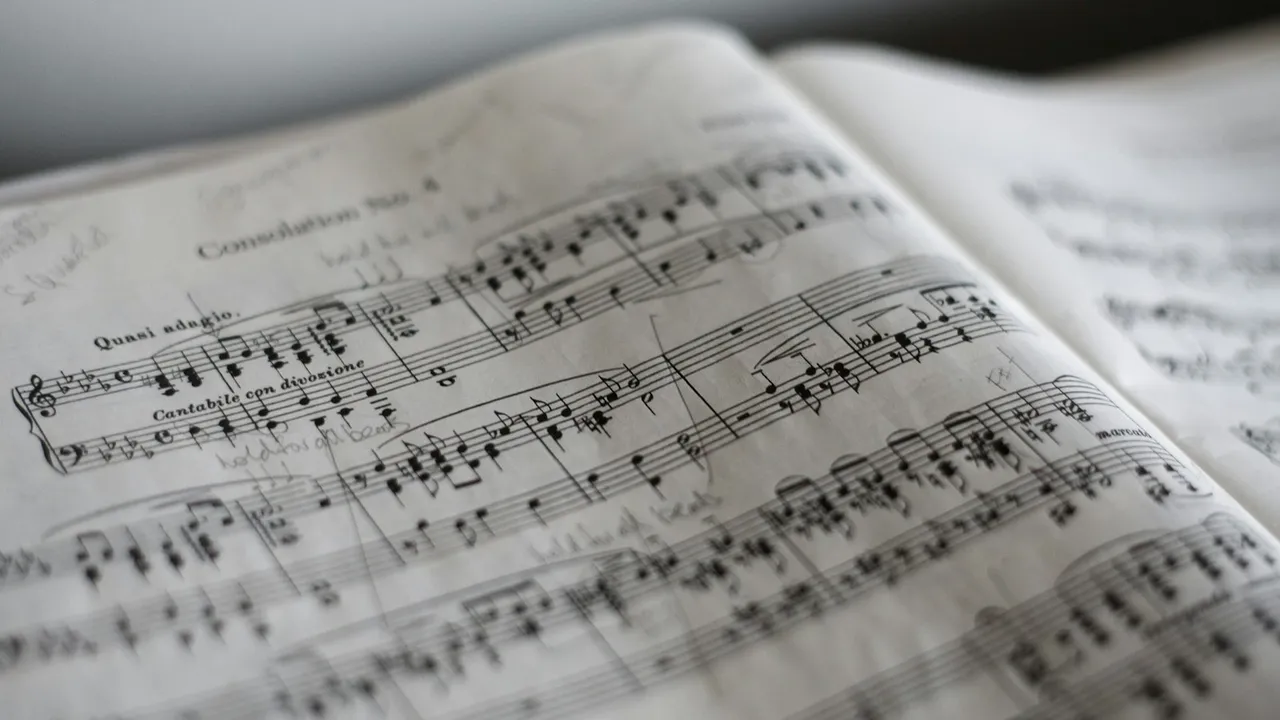
The short answer: the real, well-supported benefits of classical music for children are calm, focus, and better sleep, not a higher IQ. Structured classical music can help settle a child, hold their attention, and ease the wind-down before bed. This guide brings together what the research actually shows, what it does not, and how to use music well at each stage. It is the starting point for the more detailed guides linked throughout.
What classical music does, and does not, do for children
It helps to separate two very different claims.
- The myth: that playing classical music to a baby makes them smarter. No study supports this. The famous research never tested babies and never measured lasting intelligence. We cover this in detail in is the Mozart effect real?
- The reality: that calm, structured music can support a child’s mood, attention, and sleep in the moment. These are smaller, day-to-day benefits, and they are the ones worth building a habit around.
Letting go of the IQ promise is not a loss. The everyday benefits are more useful, and they are the ones parents and teachers actually notice.
| Benefit | Supported by research? | What to realistically expect |
|---|---|---|
| A smarter or higher-IQ child | No | No lasting gain in intelligence |
| Calmer mood, less restlessness | Yes, widely observed | Settles many children as part of a routine |
| Better focus for quiet work | Mixed, leans yes | Helps some children when the music is calm and instrumental |
| Easier sleep | Yes, as a routine cue | Supports bedtime, but does not force sleep |
Calmer sleep and an easier wind-down
For many babies and young children, gentle music helps settle bedtime. It works in two simple ways: it becomes a familiar cue that the day is winding down, and it softens the sudden household sounds that might otherwise startle a child awake. The Sleep Foundation notes that children of all ages, from premature infants to school-age children, tend to settle better after soothing melodies.
Music earns its place as one calm, repeatable step in a consistent routine, not as a switch that forces sleep. For the full approach, see does classical music help babies sleep?
Better focus during study and quiet play
Calm, instrumental classical music fits what the research on focus tends to favour. It usually has no lyrics to compete with reading or thinking, it is steady rather than sudden, and played softly it can make a quiet room feel less empty without becoming the main event. A review of background music and sustained attention found that music can help or hinder focus depending on the listener and the task, which is why calm, preferred, instrumental music tends to work best.
For homework and quiet work, the practical guidance lives in classical music for focus and learning. For settling restless toddlers and preschoolers into quiet play, see classical music for focus with little ones.
Reduced restlessness and a calmer mood
Beyond sleep and study, families and teachers often describe a steadier, calmer mood. In her work with schools during 1999 and 2000, educationist Dr Annette Lotter reported that the music helped settle pupils and made it easier to hold their concentration, the same effect teachers can put to use in our music in the classroom teacher’s guide. Parents and clients reported reduced hyperactivity, calmer babies, and more settled children. Much of this came from hands-on work rather than a lab: Dr Lotter documented these changes directly, in real classrooms and through the letters families wrote to her. These are observed, real-world reports rather than clinical claims, and you can read them in full on the research page. For families navigating attention or sensory differences specifically, our careful guide to classical music for children with ADHD or autism sets out what music may and may not support.
What the research behind Majors for Minors shows
Majors for Minors was built on the idea that carefully chosen classical music can gently influence brain wave activity, either to activate a young mind or to settle it. The clearest single finding comes from a study of 76 MBA students: the group that studied while listening to Majors for Minors scored on average 17.2 percentage points higher than the group that studied with general background music (74.9 percent versus 57.7 percent) (Dr Lotter, unpublished research, 1999), and recorded a measurable drop in blood pressure with the most relaxed posture of any group. A separate spectral analysis in 1999 found that a Majors for Minors flute sample closely resembles the wave pattern of whale song, a sound long associated with a calming effect.
These findings reflect the research and reports of Dr Lotter, an educationist with a doctorate in education from Rand Afrikaans University, alongside the teachers and parents she worked with. They describe observed benefits, not promises about intelligence.
How to use classical music by age
You do not need a special “smart” playlist. A few simple habits work at every stage:
- Babies (0 to 12 months): keep it slow, gentle, and very quiet, used as part of a calm bedtime routine. See best classical music for newborns for the earliest weeks.
- Toddlers and preschoolers: soft background music during quiet play or the wind-down, the same calm pieces each time so they become a cue. See classical music for toddlers.
- School-age children: calm, instrumental music at a low volume during homework, reading, or quiet work. Watch and adjust, since some children focus better in silence.
Across every age, the principle is the same: keep it in the background, keep it consistent, and let it settle rather than entertain.
Related guides: classical music during pregnancy, how to introduce classical music to kids, best classical composers for children, and a classical music playlist for kids by age.
Which Majors for Minors albums to start with
- Mozart for Minors: Mozart pieces chosen to support memory, learning, and calm focus.
- Brain Generation: classical arrangements crafted to support focus and development.
If you are choosing between composers for a particular moment, our guide to baroque, Mozart, and Bach for children explains how the three differ and when each works best. The whole collection streams free on Spotify, Apple Music, YouTube Music, and more, so you can try one during the next quiet afternoon and see how your child responds.
This article describes observed benefits of music for calm, focus, and sleep in children. It is not medical advice, and music does not replace safe-sleep practices or any treatment. If your child takes medication or has a health condition, speak with your doctor before making any changes.
Sources: Sleep Foundation — Music and Sleep, a review of background music and sustained attention (NIH / PMC), and the original Mozart effect study (Rauscher, Shaw and Ky, 1993, Nature). The Majors for Minors findings described above are documented on our research page.