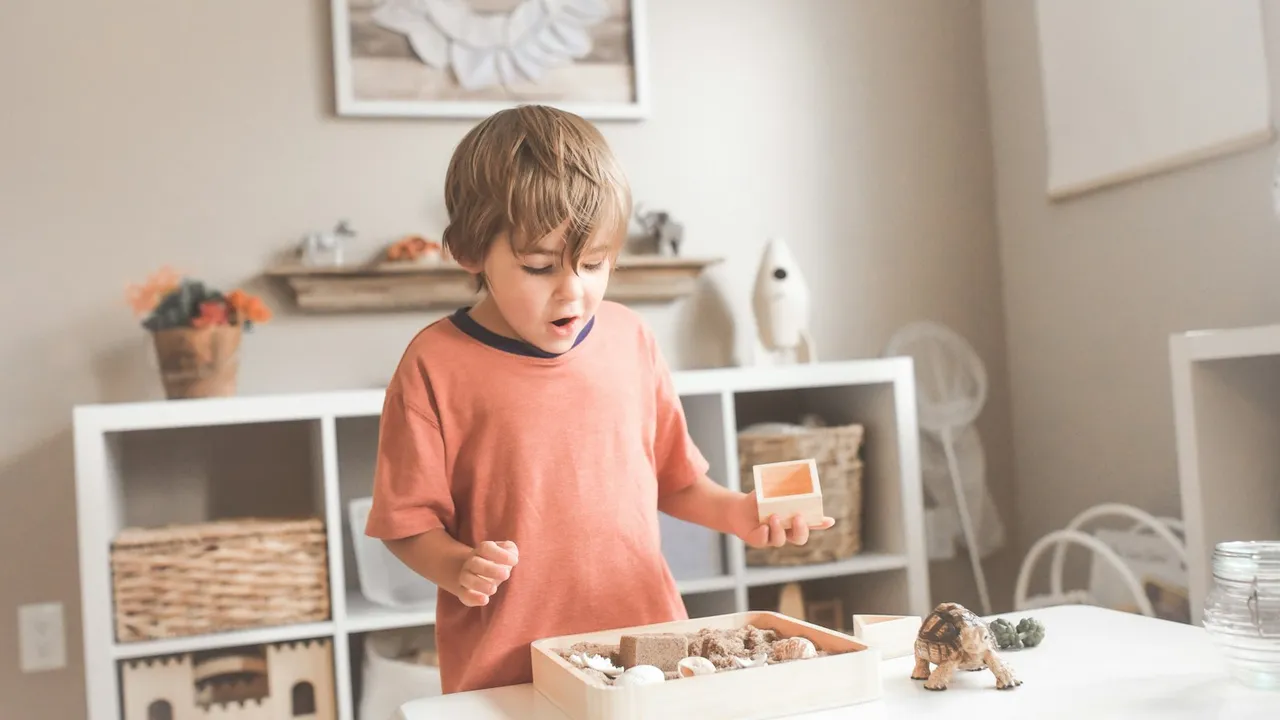
Classical music suits toddlers beautifully, as long as you keep it playful and low-pressure. Between one and three, children learn through movement and repetition, so lively music for play and slow music for calm both have a place. Here is how to use it across a toddler’s day, what to expect at each stage, and the mistakes that put little ones off.
What changes at the toddler stage
A toddler is no longer a passive listener. They move, copy, and respond, and music becomes something to do as much as something to hear. That opens up two uses: bright, lively music for active play and movement, and slow, gentle music for settling. Matching the music to the moment is the whole skill.
Music for play and movement
Lively, recognisable pieces are perfect for toddler energy. Dancing, clapping, marching, and stomping to music build coordination and burn off energy, and familiar tunes give toddlers the confidence of knowing what comes next. Keep these sessions short and joyful, and follow their lead.
Try simple, no-equipment activities:
- March or stomp to a strong beat to practise rhythm and big movements.
- Freeze dance: move while the music plays, freeze when it stops, for listening and self-control.
- Clap or tap along to the pulse of a piece.
- Wave a scarf or cloth to slow, flowing music for gentle movement.
As ZERO TO THREE notes, moving to music supports toddlers’ language, attachment, and growing awareness of their body in space.
Music for calm and the wind-down
The same child who marches at ten in the morning needs help slowing down later. Slow, quiet classical pieces work as a wind-down cue before naps and bedtime, the same music each time so it becomes familiar. For the full bedtime approach, see our complete guide to classical music for baby sleep, and for settling big feelings, calming music for toddler tantrums.
What to expect at each toddler age
The toddler years move fast, and what music does shifts with them:
- Around 1 year: music is mostly about movement and connection. Expect bouncing, swaying, and big smiles rather than any sustained listening. Short bursts during play and a calm piece at the wind-down are plenty.
- Around 2 years: the classic dancing-and-marching stage. Toddlers love repetition and familiar tunes, and they start to anticipate what comes next in a song. This is a great age for freeze dance and clapping games.
- Around 3 years: longer attention and more imagination. Children this age can sit a little longer with a piece, name instruments they hear, and use calm music as a recognisable wind-down cue. They may start asking for favourites by name.
At every stage, follow the child. A toddler who wanders off after two minutes is behaving exactly as their age expects.
Common mistakes to avoid
- Turning it into a lesson. Toddlers learn through play, not formal listening. The moment music feels like a task, interest drops.
- One volume for everything. Lively play music and calm wind-down music need different volumes. Keep calm pieces soft and lively ones moderate, never loud.
- Skipping the repetition. Toddlers love hearing the same things again and again. Constantly changing the music removes the comfort and the cue value.
- Expecting stillness. Asking a toddler to sit quietly and listen usually backfires. Let them move; that is how they engage with music.
- Only using it for calm. Lively, playful music is just as valuable as calm music at this age. Use both, matched to the moment.
Keep it low-pressure
Toddlers have short attention spans, and that is fine. A few minutes of music woven into play, the car, or tidy-up time does more than any formal listening. If you are just starting out, our guide on how to introduce classical music to kids keeps it simple, and for picks grouped by stage, see our classical music playlist for kids by age.
Lively albums for toddlers
- Classical Music Nursery Rhymes: familiar nursery rhymes arranged for active listening and movement.
- Bee Gees for Babies: classically arranged familiar songs the whole family knows.
- World Music for Children: classical influences from around the world for variety.
- Mother Nature: soothing nature sounds and classical melodies for the calmer end of the day.
All stream free on Spotify, Apple Music, YouTube Music, and more, so you can match lively or calm to whatever the moment needs.
This article offers general guidance for families.
Source: ZERO TO THREE — Using Music with Infants and Toddlers. The thinking behind the Majors for Minors selections is documented on our research page.