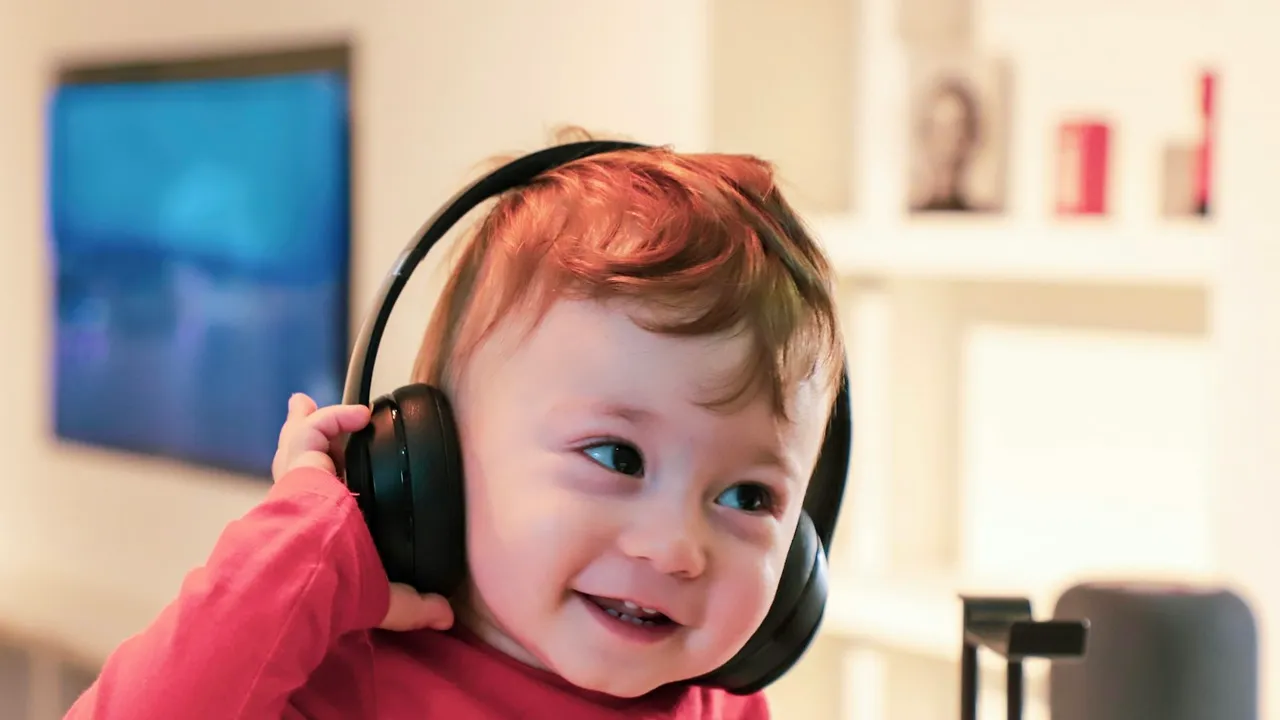
For a toddler or preschooler, focus is not sitting still and studying. It is a few settled minutes with a puzzle, a drawing, or a tower of blocks. Calm music can gently support those moments, but it works with a young child’s short attention span, not against it. Here is what to realistically expect, and how to use music to settle restlessness into quiet play.
Music is a calm cue for little ones, not a way to make them concentrate longer than their age allows.
For school-age study, homework, and reading, see our guide to classical music for focus and learning, which covers the older end in full. This guide stays with the youngest children.
What focus looks like at this age
Young children are not built to concentrate for long, and that is completely normal. A common rule of thumb is that a child can attend to one thing for roughly a few minutes per year of age, so for a toddler or preschooler we are talking about short bursts. The aim is not to stretch those bursts unnaturally. It is to make the calm ones happen a little more easily and a little more often.
That changes what “focus music” is for. With a young child, you are not building a study session. You are creating a settled, low-stimulation backdrop that helps a busy little body slow down enough to stay with one thing.
What to expect by age
- Toddlers (1 to 3): very short attention, lots of movement. Music helps most as a calm-down cue during quiet play, not as background to a “task”. Expect a few minutes at a time.
- Preschoolers (3 to 5): longer stretches, more able to sit with a puzzle, drawing, or sorting game. Calm music can support these quiet pockets and ease the shift out of energetic play.
- Early school age (5 and up): the start of real seated focus. At this point the school-age approach in our focus and learning guide becomes the better fit, and teachers can find classroom-specific tips in our music in the classroom teacher’s guide.
Settling restlessness into quiet play
The biggest day-to-day use for little ones is taking the edge off a wound-up mood and easing them into something calmer. Calm, low music can act as a gentle signal that the pace is changing.
Pair it with quiet, hands-on activities that naturally hold a young child’s attention:
- Puzzles and shape sorters, which give a small, satisfying goal.
- Drawing or sticking, where the music fills the quiet without competing.
- Building or stacking, calm enough to sit with for a few minutes.
- Looking at books together, with soft music underneath.
The point is not to demand stillness. It is to make the calmer choice slightly more inviting.
Common mistakes to avoid
- Expecting too much sitting still. A young child who wanders off after a few minutes is doing exactly what their age expects. That is not a failure of the music.
- Playing it too loud, or with lyrics. For little ones, keep it quiet and instrumental so it stays a backdrop, not the main event.
- Leaving it on all day. Constant background music stops being a cue. Use it for specific calm moments so it still means something.
- Pushing through resistance. If a particular child gets more restless with music on, it is not for them in that moment. Turn it off and try again another day.
How to use it well with little ones
A few simple habits do most of the work:
- Instrumental only, so nothing competes for a developing ear.
- Keep it low, sitting under the play rather than over it.
- Same music, same activity, so it becomes a familiar settle-down cue.
- Follow the child. Short and willing beats long and forced, every time.
These are the same calm-music habits that help at bedtime and during tantrums. For more on using music to steady big feelings, see calming music for toddler tantrums, and for the playful side of a toddler’s day, classical music for toddlers.
A note on restless or easily distracted children
Calm background music may help a fidgety child settle, and many parents find it useful for quiet time. But be clear-eyed about it: music is a supportive habit, not a treatment. If you are worried your child may have ADHD or another condition, speak with your doctor or your child’s school. For a careful look at this, see classical music for children with ADHD or autism.
Best Majors for Minors albums for calm focus
- Mozart for Minors: calm Mozart pieces that suit quiet play and gentle focus.
- Brain Generation: classical arrangements crafted to support focus and development.
- Mother Nature: soothing nature sounds and melodies for the calmest quiet-play moments.
All stream free on Spotify, Apple Music, YouTube Music, and more, so you can try one during the next quiet-play session and see how your child settles.
This article offers general guidance on calm and focus for young children. It is not medical advice and is not a treatment for ADHD or any condition. If you have concerns about your child’s attention or behaviour, speak with your doctor.
Source: The effect of preferred background music on task-focus in sustained attention (NIH / PMC). The Majors for Minors findings described above are documented on our research page.