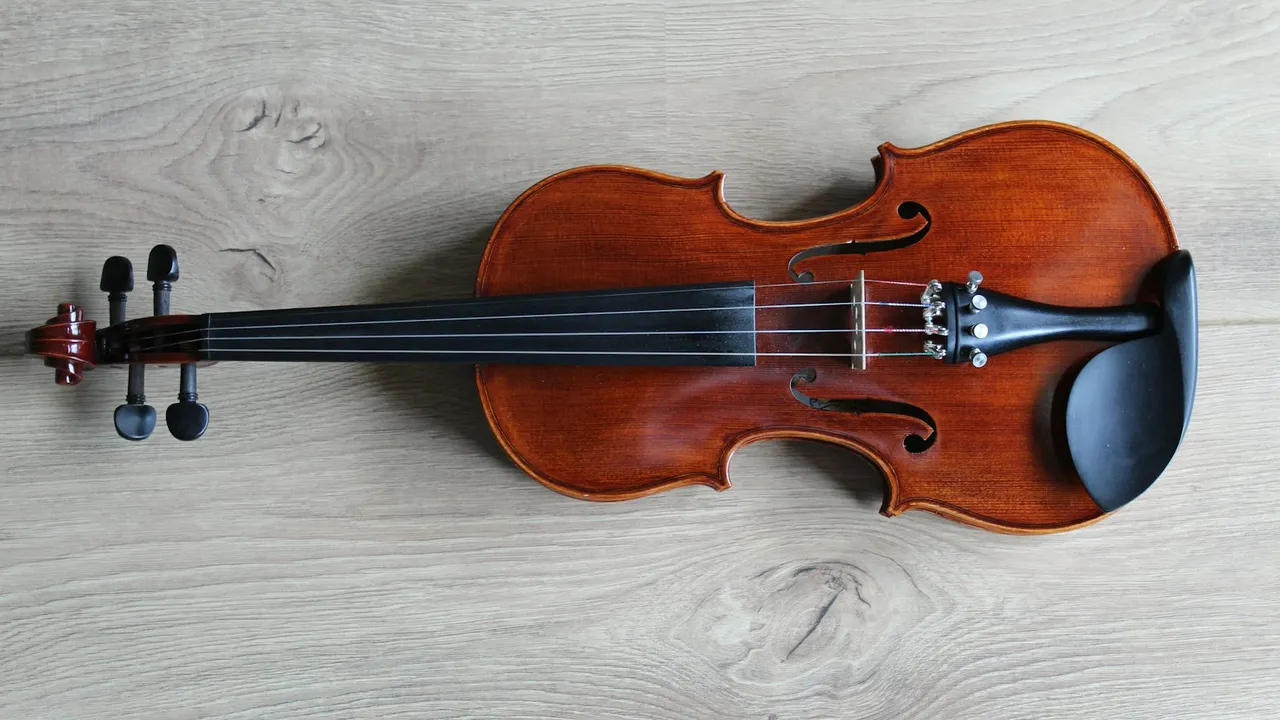
The honest answer: there is no single winner. Baroque, Mozart, and Bach each suit different moments rather than different children. The useful question is not “which composer is best?” but “what do I want right now: focus, calm, or play?” Here is how the three compare, and when to reach for each. For a wider tour, see best classical composers for children.
The short version
| Baroque | Mozart | Bach | |
|---|---|---|---|
| Feel | Steady, even, structured | Light, bright, melodic | Rich, patterned, versatile |
| Best for | Focused study and quiet work | Calm with gentle focus | Play that can wind down to bedtime |
| Try | Baroque for Babies | Mozart for Minors | Playtime and Bedtime with Bach |
One thing worth clearing up first: Bach is himself a Baroque composer. So this is not really three separate categories. Think of it as Baroque as a whole, Mozart from the later Classical era, and Bach singled out because his music is so versatile it earns its own column.
Baroque: steady and structured
Baroque music, the era of Vivaldi, Handel, and Bach, tends to move at an even, unhurried pace with clear, repeating patterns. That steadiness is why “baroque music for studying” is such a common search: a predictable backdrop can make it easier to settle into focused work without the music demanding attention.
Reach for Baroque when you want calm concentration: homework, reading, or quiet play. Baroque for Babies gathers these masterworks arranged for young listeners.
Mozart: light and pleasant
Mozart’s music is brighter and more melodic, good for a calm mood with a little lift. You have probably heard of the “Mozart effect”, but it is worth being clear: as we cover in our guide to whether the Mozart effect is real, the original 1993 study found only a small, short-lived boost in adults, not a path to a smarter child.
So choose Mozart because it is calm and pleasant, not for an IQ promise. Mozart for Minors collects pieces chosen for memory, learning, and calm.
Bach: the versatile one
Bach’s range is what sets him apart. The same composer wrote lively, intricate pieces that suit active play and slower, gentler works that ease toward sleep. That makes Bach a good all-rounder for a single day’s worth of moods. Playtime and Bedtime with Bach is built around exactly that arc, from active play to calm bedtime.
So which should you choose?
Pick by your goal, not by the name on the album:
- For focus and study: Baroque or Mozart, instrumental and low. (More in our focus and learning guide.)
- For calm and a gentle mood: Mozart.
- For a day that moves from play to sleep: Bach.
- Not sure? Start with whichever your child responds to. As with most things, what they enjoy matters more than the theory.
All of these stream free on Spotify, Apple Music, YouTube Music, and more, so you can compare them yourself in an afternoon. The thinking behind the selections is on our research page, and the broader case is in our guide to the benefits of classical music for child development.
Sources: the original Mozart effect study (Rauscher, Shaw and Ky, 1993, Nature). The Majors for Minors selections described above are documented on our research page.